Pregnancy, therefore, is not impossible for women in menopause, it is only necessary to apply a fertility treatment that solves the problem of the absence of eggs.
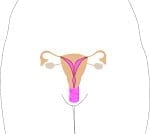
Artificial insemination is a low-complexity assisted reproduction technique that consists of depositing sperm with a catheter at the bottom of the uterus (during natural intercourse, sperm are deposited only at the entrance of the uterus).
It has always been believed that the conception of a baby should be a planned process, a decision that is made when there is emotional and economic stability, over which you have control.
The complication of not being able to have a baby is a disease that affects more people than we imagine. It is estimated that approximately 10% to 12% of couples in the world are affected with this condition.
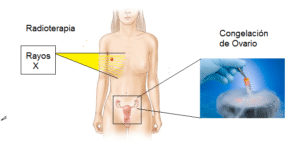
There are situations in which a woman must postpone her search for pregnancy and there is a risk of losing her fertility during this waiting time. An example is when a woman is diagnosed with cancer.
Considering that there are more and more cases of infertility, it is highly relevant to know the different factors that can affect both men and women, to take preventive measures and in many cases avoid major effects.
This is a very frequent question. There are several circumstances by which a woman may have lost an ovary. One of them is because he had a cyst that, due to its size or characteristics, required the complete removal of the ovary.
Female infertility has multiple causes, some of them unknown. From the study of these causes, it has been determined that the problems that cause female infertility
If a couple has been trying to achieve pregnancy unsuccessfully for 12 months or more it is considered that there is an infertility problem, that is when it becomes necessary to consult the different options of fertility treatments.
What is a protective drug?
Chemotherapy is known to carry a risk of ovarian failure of about 40% in women of reproductive age, which can be as high as 100% when given in combination in preparation for a bone marrow transplant.
Although it is not considered infertility, losing pregnancies repeatedly generates as much or even more frustration. This diagnosis, known as Recurrent Pregnancy Loss (ERP), is made in couples who have lost 3 or more pregnancies.