Although it is not considered infertility, losing pregnancies repeatedly generates as much or even more frustration. This diagnosis, known as Recurrent Pregnancy Loss (ERP), is made in couples who have lost 3 or more pregnancies.
If a couple has been trying to achieve pregnancy unsuccessfully for 12 months or more it is considered that there is an infertility problem, that is when it becomes necessary to consult the different options of fertility treatments.
The first thing to keep in mind is that there is a big difference between having twins and twins, although in both cases we are talking about two babies who develop simultaneously in the same gestational period.
It has always been believed that the conception of a baby should be a planned process, a decision that is made when there is emotional and economic stability, over which you have control.
When a couple has been trying for pregnancy for more than a year without achieving it, they do not need to despair, they can still get pregnant naturally although their chances are lower.
For many years it was mistakenly believed that the woman was responsible for fertility problems, however, with the evolution of science and fertility studies, it was possible to dismantle that myth and today we know that men contribute 30% of causes of infertility on their own and that they share 30% more with women.
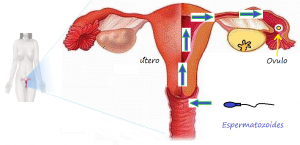
When we look at all the events that must happen in perfect synchronization and all the difficulties that sperm and eggs must overcome in order to find and produce an embryo, we fully realize that the creation of a baby baby is a real feat.
During the last few years, it has become ‘fashionable’ for celebrities to have twins or twins in a very common way. Multiple cases of national and international celebrities have appeared on the media scene with their two newborns.
There are three types of reproductive techniques that are performed with the contribution of a third person: sperm donation, egg donation and surrogacy.
The average age of pregnancy has increased in recent years as more women pursue formal education and a career, thus postponing marriage and motherhood. Consequently, a large group of women who reach their last reproductive years in these circumstances seek medical assistance associated with infertility.
Every day it is more common to find women in our consultations who decide to have a baby at Later ages.The word late is very relative, and we could say that today a 35-year-old woman, after finishing her degree, doing a postgraduate degree and having been married for two years, to the When you consider the desire for…