When there are complex fertility problems such as endometriosis with obstruction of the fallopian tubes or severe decrease in sperm motility, more sophisticated assisted reproduction techniques are required. One of them is In Vitro Fertilization.
There are fertility treatments for specific problems such as medicines to cause ovulation when the woman does not ovulate or surgery to correct problems of obstruction of the fallopian tubes. There are also treatments when the cause is not known or there are several causes of infertility.
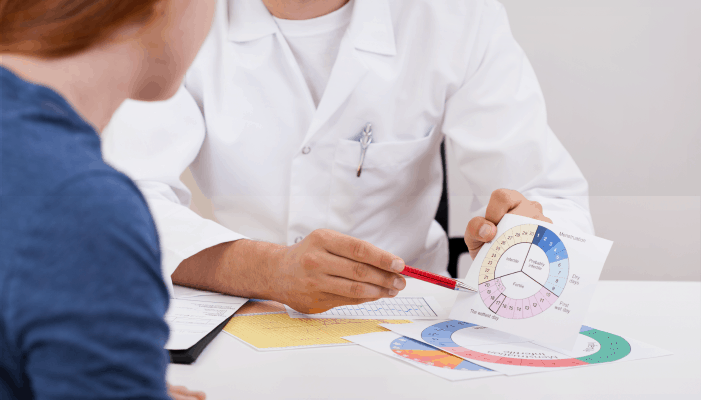
A woman’s normal menstrual cycle can vary between 23 and 35 days, with an average of 28 days. It is also normal for a woman to have one or two anovulatory cycles in a year that are expressed as an irregular menstrual cycle.
The probability of pregnancy for a couple under 35 years of age, without any pathology, in a month is only 20%. For this reason, it can take several months for a couple to get pregnant. However, after 12 months, 80% of couples are already pregnant.
The spermogram provides a broader view of a man’s reproductive capacity. It is a low-cost exam that allows a first diagnostic impression to be made and the achievements of medical and surgical treatments (vasectomy – recanalization) that are carried out during an assisted reproduction treatment can be evaluated.
Artificial insemination with donated sperm is used when it is not possible to obtain normal sperm naturally from the man, for example when there is azoospermia (there is no sperm production) or when there is a genetic disease on his part and the aim is for the children not to inherit it.
Uterine fibroids are benign (noncancerous) tumors that grow on the wall of the uterus. They are the most common tumours of the female genital tract and between 40 and 50% of women may suffer from them.